A roadside birch lives a harder life than one in a garden. It takes heat reflected off asphalt, salt spray from gritters, exhaust, compacted soil under paving, and the occasional knock from a mower or snowplough. Silver and downy birches are tough in the right place, but they are also shallow-rooted and thin-barked. They notice stress early. The best care is not heroic; it is regular, modest, and timed to the tree’s year. Use this calendar as a prompt, then adjust by a couple of weeks for your local climate.
Winter: Protect, Inspect, and Plan
Winter is the quiet season above ground, but roadside birches need eyes on them. After storms and snow clearance, walk the tree from a safe position off the road. Look for broken branches, split forks, bark rubbed away by a plough, and salt-crusted snow piled against the trunk. Do not climb or stand on the carriageway to inspect; use the verge, wear something visible, and keep children and dogs clear. A fresh crack in the trunk after a hard frost is worth a photograph and a professional opinion.
Check stakes and ties on young trees. A tie should hold the root ball steady without strangling the trunk. Loosen or remove ties that are cutting into bark. If a guard is loose, reset it. This is also the season to plan pruning: mark dead, damaged, or crossing branches with a light tag or note, but leave live wood until late summer unless it is a hazard.
On mild days when the ground is not frozen, give young trees a slow soak if the soil is dry below the surface. Winter drought is less common than summer drought, but roadside soils under walls and paving can stay surprisingly dry.
Early Spring: Wake-Up and Salt Flush
As the ground thaws, the first job is salt. De-icing salt accumulates in the root zone and along the lower trunk. Once the soil is workable and no hard freeze is forecast, apply a slow, deep soak around the root zone to help move salts below the main roots. Use a hose on a low trickle or several buckets poured slowly, and stop if water is pooling. If drainage is poor, a single gentle flush is better than a swamp.
Rake away any thick pile of salty snow, grit, or road debris from the trunk and the mulch ring. Do not dig or rotavate under the canopy; birch roots are shallow and easily damaged. If the tree is on a public verge, check ownership before you do anything more than light litter removal. Many street trees belong to the local authority, and permission rules vary.
Look at the canopy as buds break. Even bud break, reasonable shoot growth, and no obvious dieback are good signs. Patchy leafing can lag after a hard winter; give it time before you decide the branch is dead.
Late Spring: Mulch and First Deep Watering
Late spring is mulch season. A proper mulch ring is the single most useful thing you can do for a roadside birch. It holds moisture, moderates soil temperature, reduces competition from grass, and keeps mowers and strimmers away from the trunk. On a hot roadside, that mulch ring can save a young tree from a summer of stress. Keep it simple:
- Clear weeds and grass from around the trunk by hand, not with a strimmer.
- Spread composted bark, leaf mould, or aged woodchip 5–8 cm deep over the root zone, ideally out to the edge of the canopy.
- Keep mulch 5–10 cm clear of the trunk. No mulch volcanoes.
- Water the ring before mulching if the soil is dry, then top up the mulch.
Start deep watering when the top 10 cm of soil feels dry. A slow soak once a week in dry weather is better than a daily sprinkle. Aim to wet the root zone, not the trunk. Young birches in their first three years need the most help; established trees still benefit in hot, dry summers, especially on exposed roadsides.
Summer: Watering, Inspecting, and Not Pruning
Summer is inspection season. Once a month, look at the leaves, shoots, trunk, and root flare. Birch leaf miner can leave brown blotches; aphids leave sticky honeydew. Neither always needs action, but repeated stress weakens a roadside tree. Check for cracks, weeping patches, fungal brackets at the base, and soil heaving around the roots. If a large branch is cracked or the trunk is unstable, keep people away and call a qualified arborist.
Water in the morning when you can, and water slowly. A hose left on a trickle at the drip line for an hour does more than a quick blast at the trunk. Check the soil with a finger or trowel before watering; if it is already damp below the surface, wait. Avoid cultivating under the tree. If the tree is young, check ties and guards again after windy weather.
Do not prune live birch now unless a branch is dangerous. Summer pruning can be used in some situations, but the reliable window for birch is later. Dead or storm-damaged wood can come off whenever it is safe to do so.
Early to Mid-Autumn: The Pruning Window
For birches, late summer into early autumn is the practical pruning window. The tree has made its growth, leaves are mature, and sap flow has slowed. Avoid late winter and early spring pruning: birches bleed heavily then, which is messy and can set the tree back. A little bleeding is not usually fatal, but there is no need to invite it.
Prune only what the tree needs. Remove dead, damaged, crossing, or rubbing branches. Take out weak growth that blocks a sign or scrapes a vehicle, but do not top the tree or hack it back into a lollipop. Make a clean cut just outside the branch collar, the slight swelling where the branch meets the trunk. Do not paint wounds. If a branch is near a power line, stop and call the utility; do not attempt it yourself.
For roadside clearances, aim for enough height over footways and signs for people and vehicles to pass safely, but check local rules first. Street trees may be protected or council-owned. If you are unsure, ask before cutting. Use sharp tools, and clean them between trees if you have been working on diseased wood.
Late Autumn: Final Checks Before Winter
After leaf fall, the tree’s structure is easier to see. Check for deadwood, broken stubs, and branches that have been loosened by autumn gales. Remove small deadwood if it is safe and within reach from the ground. Leave larger work to an arborist. Rake fallen leaves if they are thick enough to smother the grass or if they show obvious disease; a thin layer can be
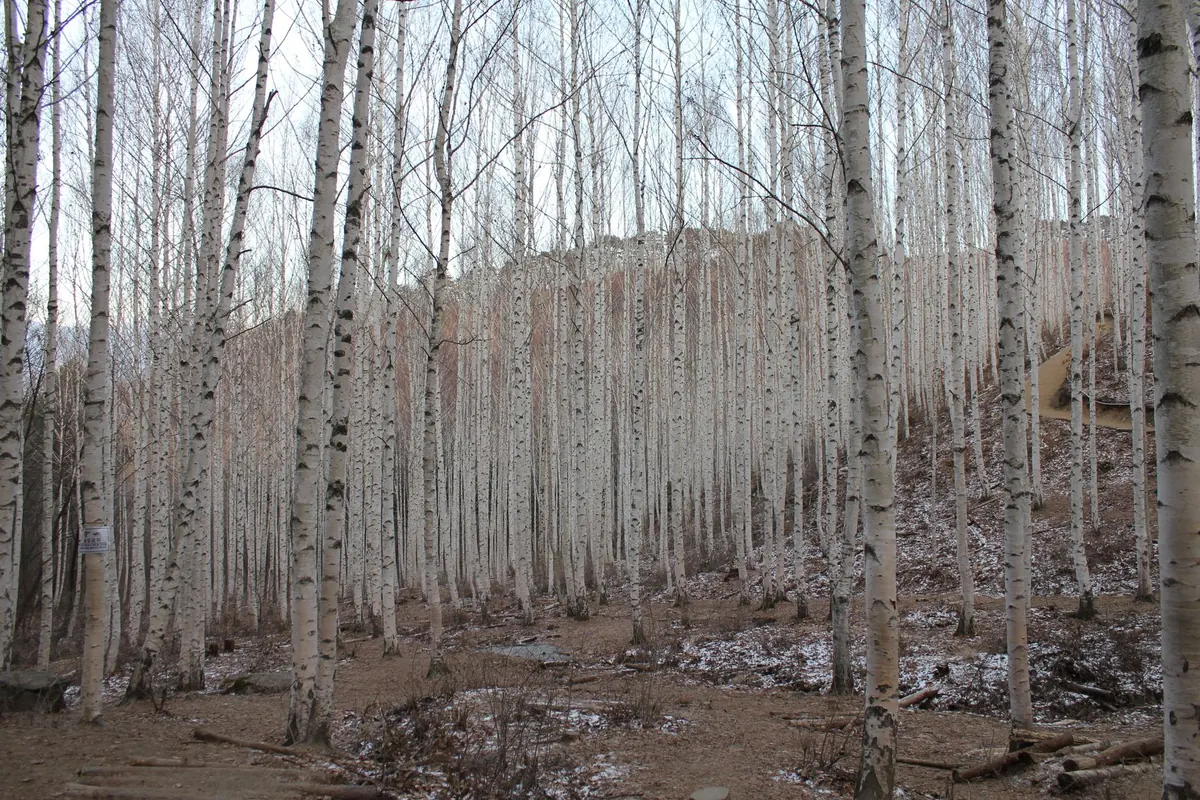
Photo: mareene Kim / Pexels