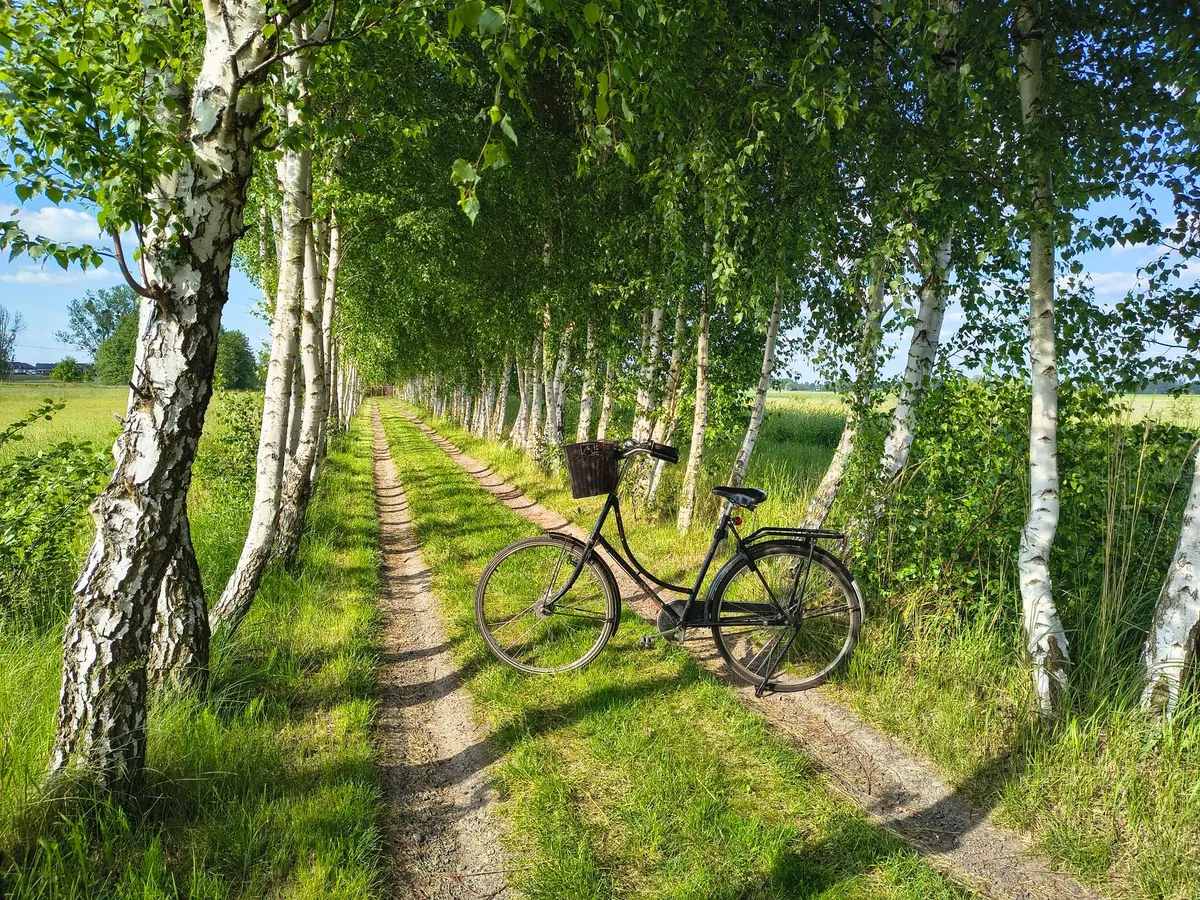
Few things change a driveway as quickly as a row of birches. White trunks catch the last light, leaves move in a breeze when everything else is still, and a plain approach becomes a place you don't mind idling while the gate swings open. Birches are also not the easiest trees to plant beside a hard surface. They root shallow, they want cool and moist soil, and they sulk when the ground around them is compacted or drowned. Sort out the layout, the sightlines, and the drainage before you dig, and you'll save yourself a decade of replacing trees.
Start With the Driveway, Not the Trees
Measure the drive before you shop for saplings. A single-car lane is usually 10 to 12 feet wide; two cars passing need 14 to 16. Add shoulders on both sides, because plow wings, delivery vans, and the occasional overconfident reversing driver all use more space than the pavement suggests. Then think about snow storage: the strip where you push plowed snow in January is not a planting bed, no matter how good it looks in June.
With the driving surface marked out in string line or hose, set your tree line back from it. Eight to ten feet from the pavement edge to the trunk is a workable minimum for a birch; six feet is tight and will leave you pruning canopy for clearance every few years. Remember that birch roots spread well beyond the branch tips, often two or three times the canopy width. The tree you plant eight feet from the asphalt will eventually have roots under it, drinking whatever the pavement sheds.
Protect the Sight Triangle at the Entrance
The most common birch mistake on a driveway is planting the row right up to the road. Where the drive meets the street, keep a clear triangle roughly 10 to 15 feet back along both the drive and the road edge, and keep everything in it below about two feet tall. That is the zone where you need to see bicycles, dogs, and the neighbour's delivery truck before you pull out.
Don't trust the view from the kitchen window. Sit in the driver's seat of your lowest car and look both ways. Then do it again at dusk with the headlights on. Trunks read beautifully at night compared with dense shrubs, but a clump planted in the wrong spot still blocks the view. Keep the mailbox, the utility box, and the gate post on the same list of things not to hide.
Plant for the view from the car, not the view from the plan.
Match the Birch to Your Soil and Your Space
Not all birches are interchangeable, and the difference matters more beside a driveway than anywhere else on a property, because that strip tends to be hot, dry, and salty in winter. A few reliable choices:
- River birch (Betula nigra) — the most forgiving in heat and heavy, occasionally wet soil. Bark peels in curls rather than turning pure white, but it copes with the tough spot by the pavement.
- Paper birch (Betula papyrifera) — classic white, but it wants cool, moist, undisturbed ground and resents hot, reflected heat from asphalt.
- European white and Himalayan birch — the brightest white trunks, and the most prone to bronze birch borer where summers are hot and dry. Lovely, but they ask for more attention.
- Sweet birch (Betula lenta) — darker bark, good fall colour, a useful change of tone in a long row.
Single-stem trees suit formal rows along a straight drive; multi-stem clumps look better on curves and at the turn into a garage court. Space single-stem birches 8 to 12 feet apart and clumps 15 to 20 feet apart, and check the mature height against overhead wires before you commit.
Lay Out the Row So It Looks Planted, Not Measured
An evenly spaced line of identical trees reads as a fence, not a landscape. A few rules will keep the row looking deliberate but natural:
- Hold a consistent offset. Keep every trunk the same distance from the pavement edge, even as the drive curves. That steady line does the formal work.
- Vary the gaps. Alternate 8, 11, and 14 feet between trunks within your chosen range. The eye notices rhythm, not arithmetic.
- Group in odd numbers. Three clumps together, then a gap, then three more. Even numbers tend to pair up visually and look accidental.
- Let the bed follow the row. A mulched strip four to six feet wide, wider at the curves, keeps mowers off the trunks and gives the row a clean base.
- Check it from three places. Stand at the road, at the front door, and halfway up the drive. Adjust stakes before you pick up a spade.
Solve the Water Before You Dig
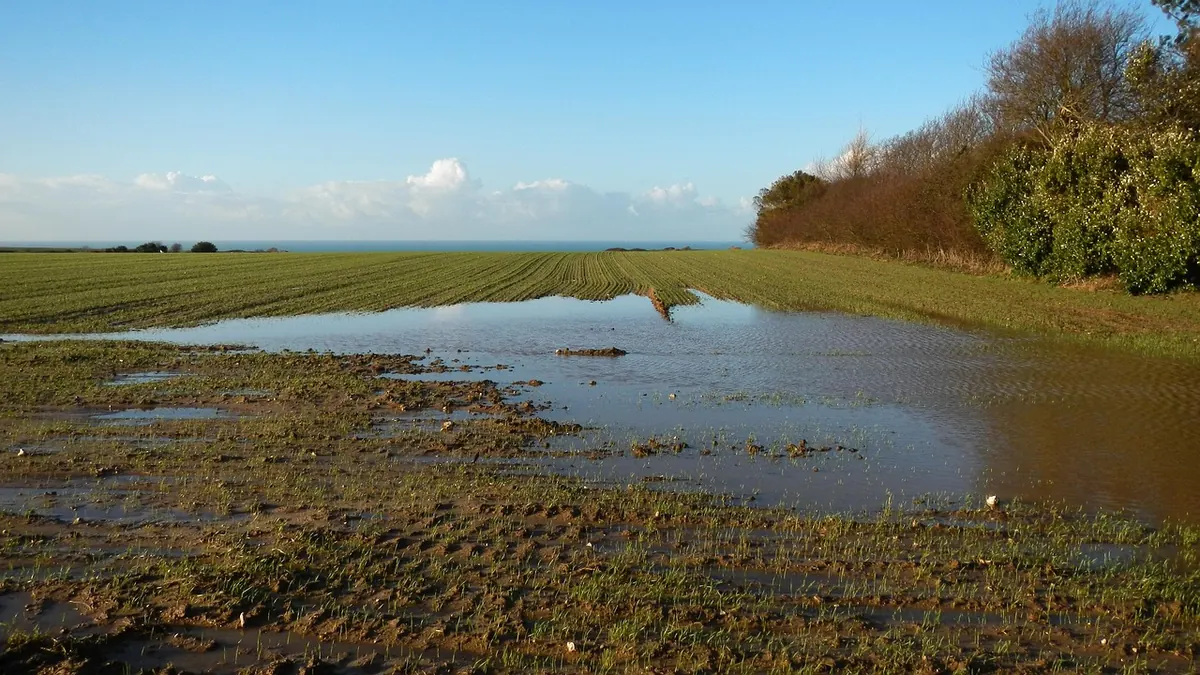
Birches want moisture, not a bathtub. Water that sheets off the driveway and pools around the trunks through winter will kill roots faster than drought will. Grade the strip between pavement and trees so runoff flows to a shallow swale or a planted low point a few feet away, and never bring soil up over the root flare — the widened base where trunk meets roots. Burying that flare is one of the quietest ways to lose a tree in five years.
Test your soil before planting. Dig a hole about a foot deep, fill it with water, let it drain, then fill it again. If water is still standing after a day, you have heavy clay. In that case, plant on a low mound of improved soil, or switch the plan to river birch, which shrugs off wet feet far better than the white-barked types.
Small Drainage Moves That Pay Off
Crown the driveway surface so water runs to the edges rather than down the middle. Direct gutter downspouts and any roof runoff away from the tree line. Keep a three-inch layer of coarse mulch over the root zone, pulled back a few inches from the trunk, and refresh it every couple of years. If your drive sits on a slope and water crosses it, or if runoff reaches a neighbour's land, bring in a landscaper or drainage contractor rather than improvising with a berm.
Guard the Trunks Against the Driveway Itself
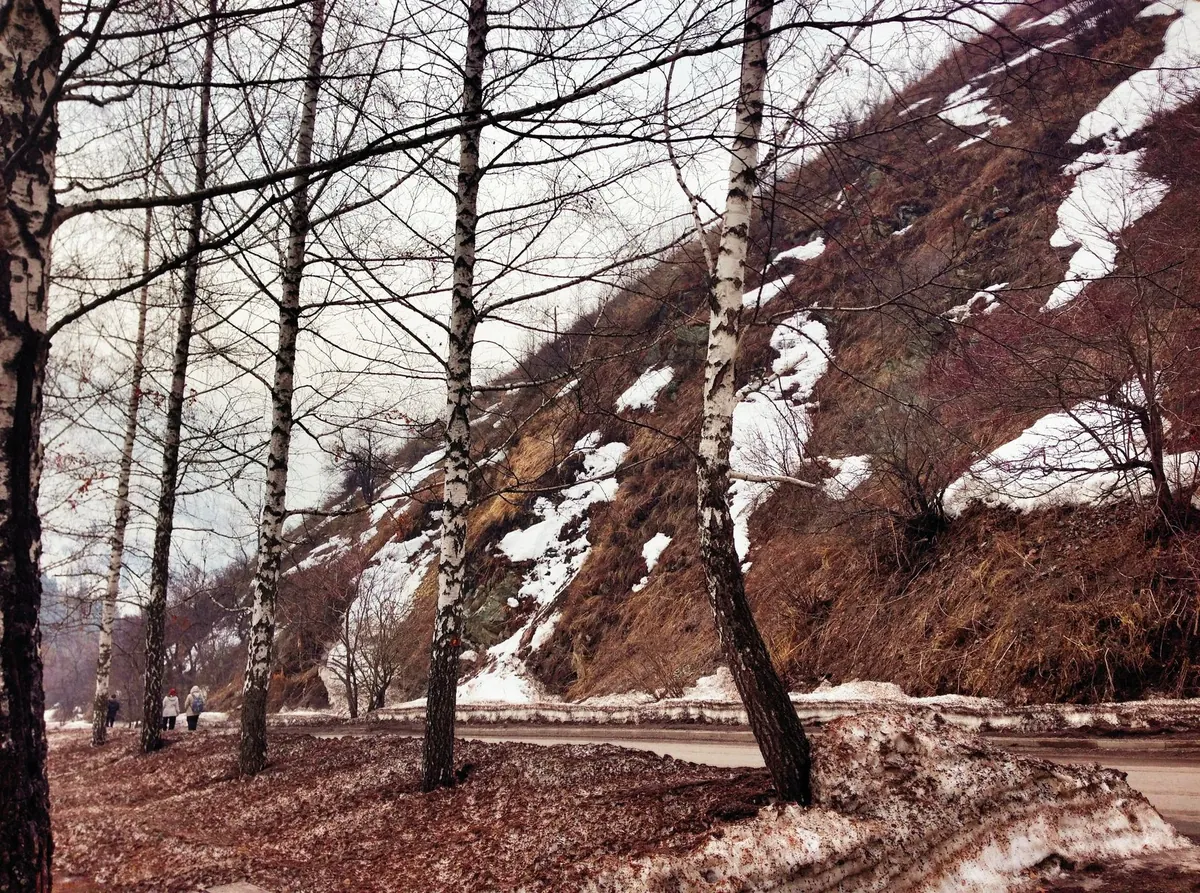
The trees will face salt spray, sand, plow blades, and the occasional wheel off the edge. Birch is not especially salt tolerant, so keep de-icing products off the mulch bed and don't pile snow that has been pushed from salted pavement against the trunks. Choose a salt-free de-icer near plantings and store bags well away from the root zone.
Set two or three boulders or short timber posts on the outside of tight curves, where drivers cut the corner. Keep cars off the root zone entirely — a vehicle parked on the same patch of soil every week compacts it enough to starve the roots of air and water. And keep string trimmers and mower decks away from the bark; a birch's thin skin wounds easily and does not heal over cleanly.
The Long View
For the first two summers, water deeply and infrequently — a slow soak once a week in dry spells beats a daily sprinkle, because it pushes roots down instead of outward. Prune only in late summer or while dormant, since birches bleed heavily from cuts made in spring. Watch for dieback at the top of the canopy, which can signal borers, and remove damaged limbs promptly rather than waiting for the problem to spread.
Before any spade goes in, call your local utility locating service and check setback rules for planting near the road; both are free and quick, and a flagged line saves an expensive afternoon. Then let the row grow into itself. A birch drive in its tenth year does something a newly planted one cannot: it makes the approach feel like part of the property rather than a strip of asphalt with trees beside it.
Photo: Teodor Buhl / Pexels