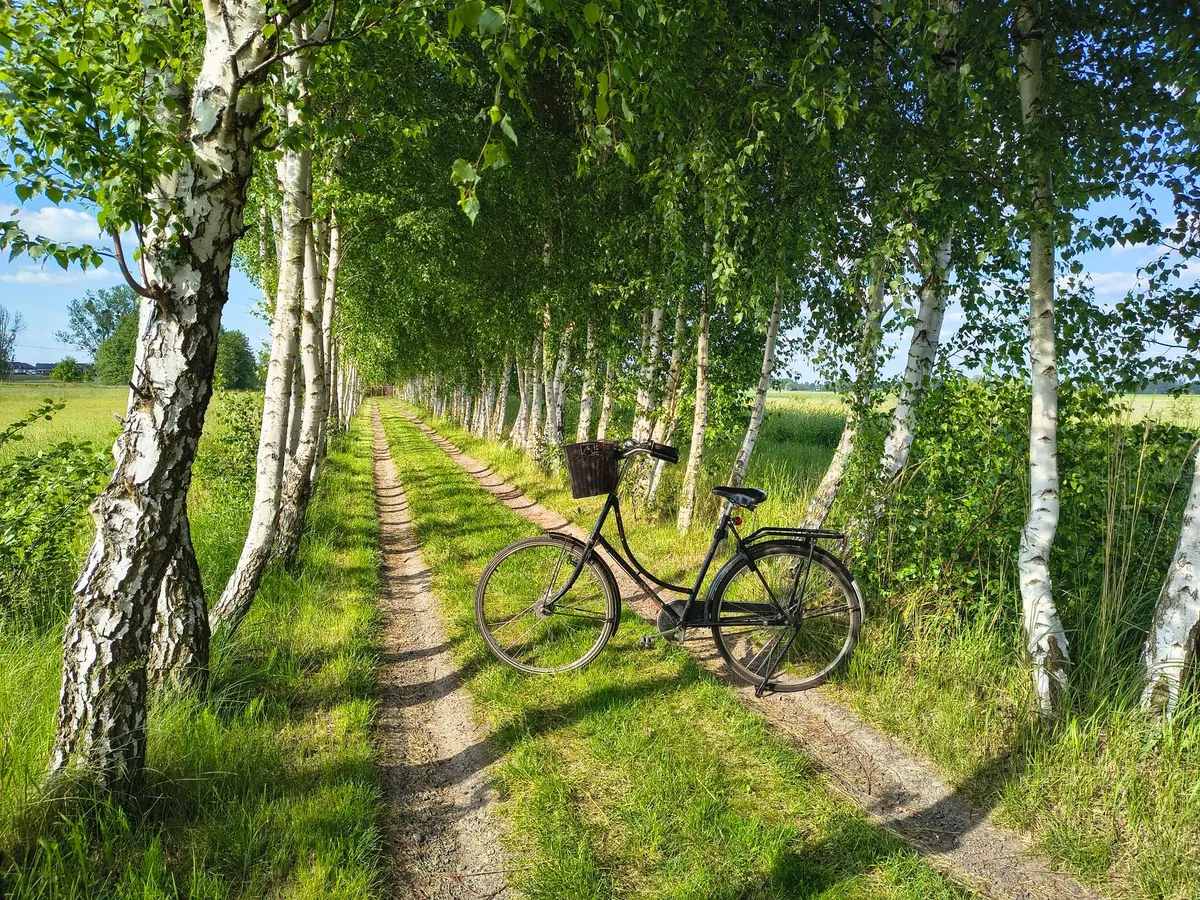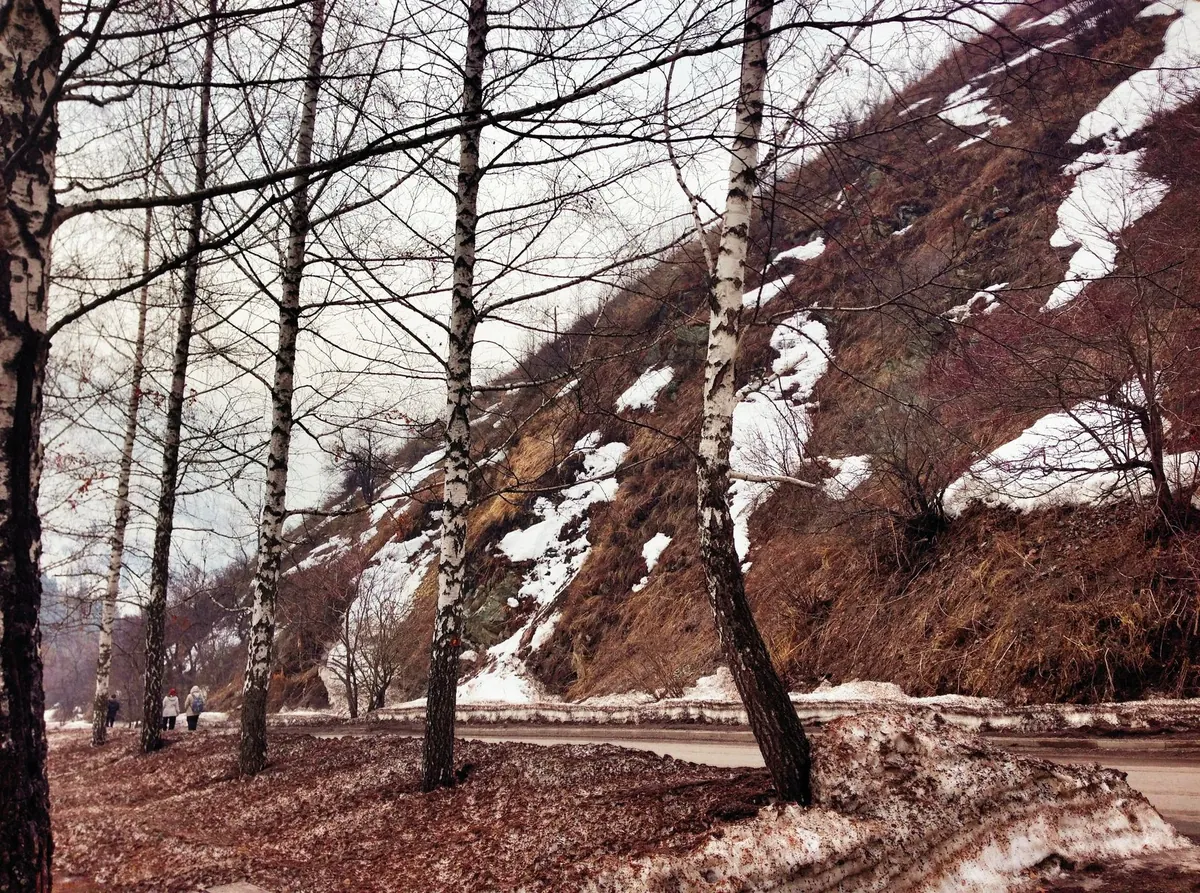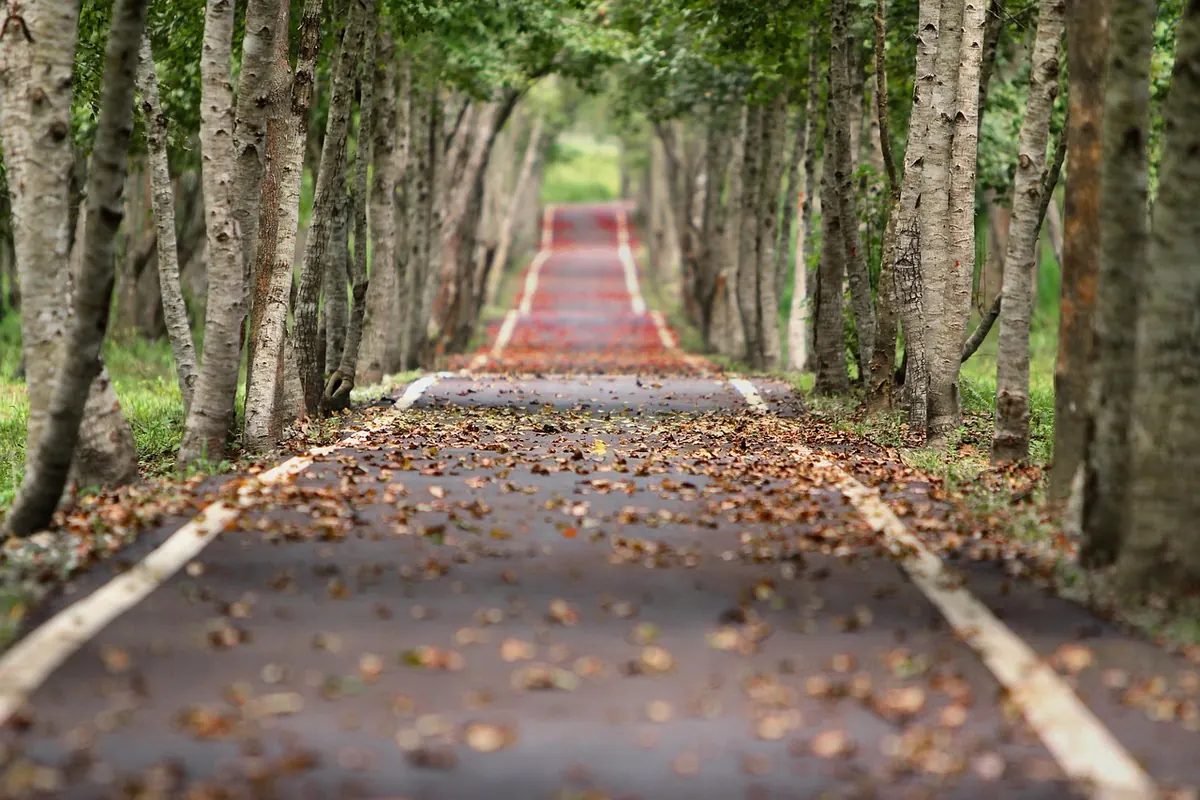
Birches along a road are asked to do two jobs at once: look graceful and keep the carriageway safe. A silver birch that leans over a footway or hides a junction sign cannot be treated like one in an open garden. Pruning near traffic is part tree care, part traffic management and part common sense. Get the timing and the cuts right, and the tree keeps its shape while drivers, cyclists and walkers keep their sight lines.
Why Roadside Birch Pruning Is Different
Roadside pruning has a different brief from garden pruning. On a quiet lawn you might remove a low branch because it brushes your hat. Beside a road, you remove it because it catches a van mirror, hides a pedestrian at a crossing or grows into the height envelope used by buses and emergency vehicles. The tree still matters, but it is not the only client.
Birch adds its own complications. The bark is thin, the sap runs freely in late winter and early spring, and the tree does not respond well to heavy, repeated cutting. A tidy-looking crown achieved with a chain of stubs will soon produce a crowd of weak shoots. Near traffic, those shoots can become a clearance problem again within a few seasons.
The Best Timing for Birch Pruning
For most roadside birches, the main pruning window is late summer to early autumn, once the year’s extension growth has settled and the leaves are mature. Sap pressure has eased, the tree has time to seal cuts before winter, and you can see the full crown against signs and streetlights. Late winter and early spring are best avoided for live wood: birch can bleed heavily when pruned as the sap rises. The bleeding is usually cosmetic rather than fatal, but it is messy, stressful for the tree and unnecessary if the work can wait.
Dead, damaged or broken branches are different. Remove them whenever they pose a risk, especially if they hang over a carriageway or footway. For everything else, look at the calendar and the site.
A Seasonal Guide
Use this as a working guide, not a substitute for local rules or a site assessment:
- Late summer to early autumn: the best window for structural work, crown lifting and clearance pruning.
- Midwinter: possible in mild, settled weather if work is really necessary, but keep it light and avoid frozen wood.
- Late winter to early spring: avoid pruning live birch unless a branch is hazardous; expect sap bleeding.
- Spring and early summer: check for nesting birds before any work, and leave non-urgent pruning for later.
- Any time: remove dead or storm-damaged limbs that threaten traffic, walkers or property.
Local wildlife protection and tree rules vary. If the birch is on public land, in a conservation area or covered by a protection order, check with the local authority before cutting. The same applies if the tree is not clearly yours.
Cuts That Heal, Not Stubs That Sprout
Good pruning is mostly about where you stop. A branch should be removed back to the branch collar, the slight swelling where it joins the trunk or parent limb. Leave the collar intact. Do not cut flush with the trunk, and do not leave a stub. The collar is the tree’s own sealing tissue; a flush cut removes it, while a stub dies back and invites decay.
For small branches, one clean cut with sharp bypass loppers or a pruning saw is enough. For anything heavier, use the three-cut method: make an undercut on the underside of the branch, a short distance out from the trunk, then a top cut slightly further out to take the weight. The remaining stub can then be removed carefully at the collar. This prevents the branch from tearing bark as it falls.
Sharp tools matter. So does a clean blade between trees if disease is a concern. Do not paint or seal the wound; birches do not need it, and a painted wound can trap moisture.
Avoid topping, lion-tailing and heavy thinning. Birch looks best with a light, airy crown, but that crown needs leaves to feed the tree. As a general guideline, remove no more than about a quarter of the live crown in one operation, and less from old or stressed trees. Near a road, it is better to lift the crown gradually over several years than to strip out lower limbs in one go.
Near a road, a lighter cut made at the right time is almost always better than a heavy cut made in a hurry.
Clearance and Visibility: What the Road Needs
Clearance is not a single height. A birch may need different clearance over the carriageway, the footway, a cycle path and a driveway. Branches also need to stay out of the face of signs, traffic lights, streetlights and vehicle mirrors. At junctions and bends, the priority is sight lines: a driver should be able to see approaching traffic, cyclists and pedestrians without leaning forward.
Do not rely on a remembered number. Minimum clearance heights and planting distances are set by the road authority and can vary with the road class and location. Ask the local highway department for the figures that apply, or have a qualified arborist check the site. As a working rule, keep low limbs out of the height envelope used by high vehicles, buses and emergency vehicles, but confirm the actual requirement before you cut.
Prune to a side branch that grows away from the road where possible. That keeps the tree’s natural shape and directs regrowth away from traffic. A crown lift can raise the lowest limbs, but do it in stages. Removing large lower limbs all at once leaves a gap that the tree may fill with awkward, upright shoots.
Before making a cut near the road, check:
- The branch’s actual height over the carriageway, footway, cycle path and verge, and where it will land if released.
- What is beneath the branch: parked cars, bus stops, railings, hedges, overhead cables or pedestrians.
- Whether the branch is under tension or has a split that could spring or tear as the cut opens.
- Where your drop zone is, who is controlling traffic, and how you will keep people out of the work area.
- Whether signs, streetlights, junction lines or vehicle mirrors will still be visible once the branch is gone.
Clearance work is easier to judge from the road user’s point of view than from the base of the tree. Stand where a driver would approach a junction, and look again from the footway. A branch that seems high enough from below can still block a sign or clip the top of a high-sided vehicle.
Working Safely Beside Traffic
Roadside pruning is not a one-person job when branches are large or traffic is moving. Someone needs to keep an eye on vehicles, pedestrians and the drop zone while the cutter concentrates on the saw. Wear high-visibility clothing, set out cones or signs according to local guidance, and keep the work area clear. Never turn your back on moving traffic to make a cut.
For a birch overhanging a busy road, use a qualified arborist with traffic-management experience. They can assess the tree, arrange lane closures or stop-and-go control where needed, and remove branches in controlled sections rather than letting them fall toward the carriageway. Small clearance cuts on a quiet lane may be a careful DIY job; heavy limbs over a main road are not.
Simple Examples
- Footway obstruction: lift a low limb back to a branch growing away from the path, rather than cutting it back hard into the crown.
- Bus route: check the actual height envelope before removing a limb that looks low only from a car window.
- Junction sign: remove the smallest branch that restores the sight line, then re-check from the driver’s approach.
Aftercare and Record Keeping
After pruning, inspect the tree for torn bark, loose shoots and any branches left hanging. Clear sawdust and cuttings from the footway and carriageway, and check that signs and lights are still visible. Keep a simple record of what was cut and when, especially for trees on public land or in a managed row. A note of clearance heights and photographs from the driver’s approach can save time at the next inspection.
Watch for regrowth over the following seasons. Birch often responds to a hard cut with a cluster of new shoots, and those shoots can undo your clearance work quickly. Rub out or lightly thin unwanted shoots while they are small. With modest, well-timed cuts and a little follow-up, a roadside birch can keep its graceful shape without becoming a hazard to the road.
Photo: uniquedesign52 / Pixabay